Cargo Drones
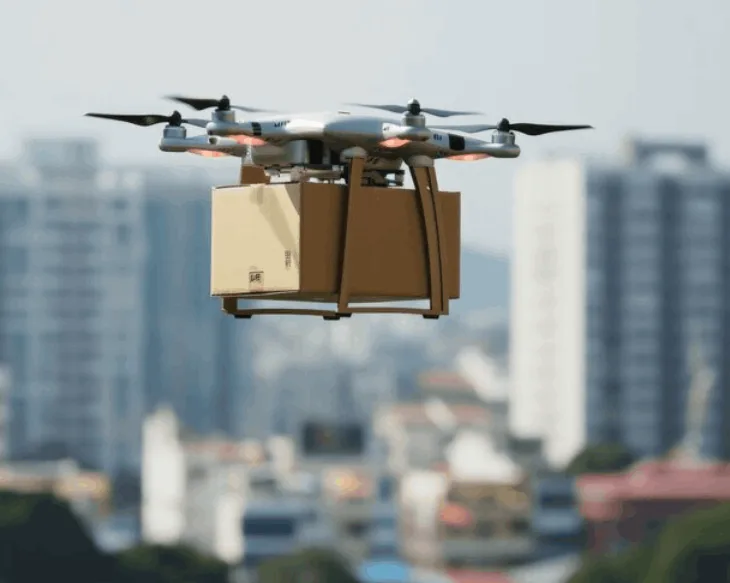
Small unmanned transport vehicles are taking to the skies in rural and suburban Japan. Cargo drones can carry packages up to five kilograms over distances of twenty kilometers. Autonomous transport in the air avoids traffic jams and road closures entirely. Smart shipping networks now include air corridors specifically for drone deliveries. Delivery innovation using drones is not science fiction – it happens daily in some prefectures.
Transport technology for cargo drones includes obstacle avoidance, return‑to‑home features, and encrypted communication. Unmanned transport aircraft follow predetermined flight paths approved by local authorities. Logistics systems manage drone takeoff and landing zones on rooftops or small pads. Autonomous transport drones can deliver medical supplies to islands or remote clinics. Smart shipping of urgent items like vaccines becomes faster and more reliable.
Delivery innovation with drones reduces the need for van trips to isolated addresses. One drone can replace a two‑hour round trip by road with a twenty‑minute flight. Unmanned transport in the air also lowers carbon emissions per package. Autonomous transport fleets are coordinated from a single ground control station. Transport technology allows a single operator to supervise up to ten drones simultaneously.
Smart shipping for e‑commerce now experiments with drone‑to‑locker drop‑offs. The drone lands on a secure box, releases the package, and flies away. Logistics systems verify delivery using barcode scanners and weight sensors. Unmanned transport drones can operate at night with proper lighting and noise reduction. Autonomous transport regulations in Japan require drones to stay below 150 meters altitude. Delivery innovation also includes hybrid drones that run on hydrogen fuel cells for longer range.
Challenges remain for cargo drones in adverse weather and dense cities. Strong winds can drain batteries quickly or blow drones off course. Unmanned transport developers add redundant motors and parachute recovery systems. Autonomous transport in urban areas must avoid birds, power lines, and tall buildings. Smart shipping companies test drones in dedicated air corridors above industrial zones. Transport technology continues to improve battery density and motor efficiency.
Logistics systems that integrate drones with ground autonomous transport create seamless multimodal delivery. A self‑driving van carries many drones to a suburban hub and launches them. Unmanned transport then covers the final one to five kilometers to each doorstep. Delivery innovation of this kind reduces the number of large delivery trucks in residential neighborhoods. Autonomous transport networks become more flexible and responsive to demand spikes. Smart shipping platforms can choose drone, road, or rail based on speed and cost.
Japan’s mountainous regions and scattered islands are ideal testbeds for cargo drones. Unmanned transport already delivers tools and supplies to dam construction sites. Autonomous transport will expand to emergency response after earthquakes or typhoons. Delivery innovation saves lives when roads are blocked and time is critical. Transport technology and logistics systems work together to build a more resilient supply chain. We will track every breakthrough in this exciting field.